
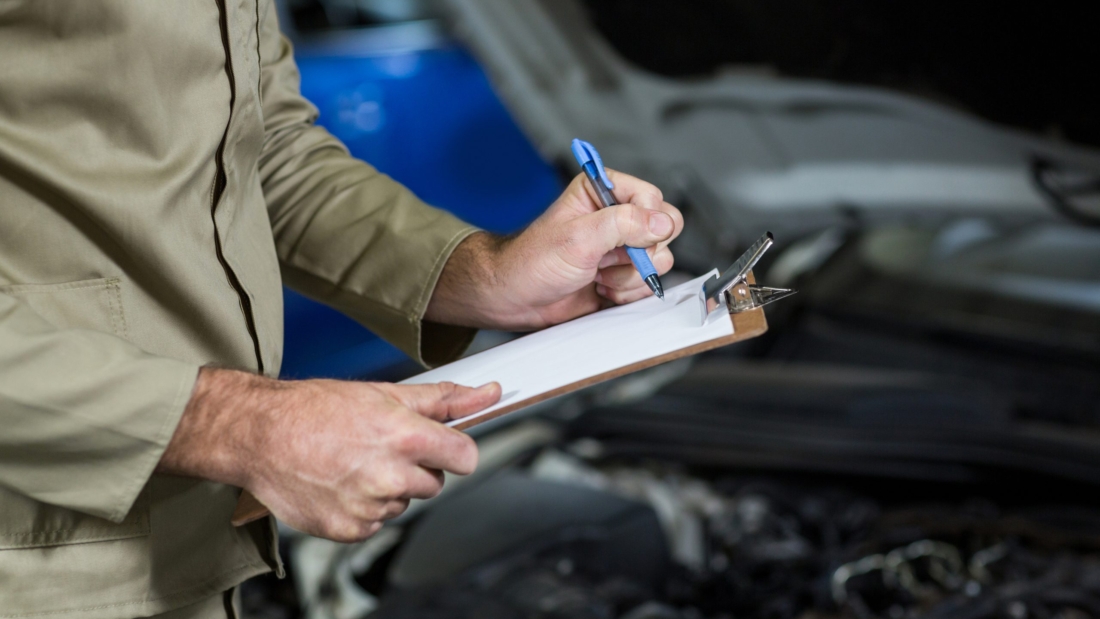
A small dent in a vehicle door or a shallow crease along a bumper may seem like a minor inconvenience. The damage appears limited, the vehicle may still drive normally, and there may be no obvious reason to expect an expensive repair. Yet modern automotive repair bills can sometimes exceed expectations, even when the visible damage looks insignificant.
The explanation lies in how vehicles are designed, how damage travels through interconnected components, and how repair professionals determine the safest way to restore a vehicle. Understanding these factors also helps explain why automotive insurance claims are not always assessed according to the size of a dent alone.
What the Surface Does Not Reveal
A vehicle’s exterior provides only part of the story after a collision. Body panels can absorb an impact, but the force may also affect brackets, mounting points, internal supports, wiring, or nearby mechanical components.
For example, a low-speed impact against a bumper might leave a small crack or a shallow indentation. Beneath the outer cover, however, an absorber or support structure could have shifted. If the bumper contains parking sensors, radar equipment, or other electronic components, those systems may also need inspection.
This does not mean every minor collision conceals serious damage. Many small dents are genuinely cosmetic and can be repaired with relatively straightforward techniques. The important distinction is between what can be seen from the outside and what a technician discovers during a proper assessment.
An initial estimate may therefore change after the damaged area is examined more closely. Additional work is sometimes necessary to address problems that were not apparent in photographs or during a quick visual inspection.
Modern Materials Change the Equation
Vehicle manufacturers use a variety of materials to balance weight, durability, safety, and manufacturing efficiency. Steel, aluminum, plastic composites, and specialized alloys may appear within the same vehicle, with each material responding differently to impact.
A dent in a conventional steel panel may be repairable through careful reshaping, depending on its location and severity. Aluminum can require different tools and techniques, while some composite components cannot be restored using the same methods applied to metal.
The position of the damage matters, too. A shallow dent in the center of a broad panel may be relatively easy to address. A similar dent near a sharp body crease, reinforced edge, or complex contour may require more time and precision.
Repair methods also depend on the condition of the paint. If the finish remains intact, a technician may be able to use a paintless dent repair technique when the panel’s shape and accessibility make it suitable. If the paint has cracked or the metal has stretched significantly, additional bodywork and refinishing may be necessary.
The repair bill reflects the process required to restore the component properly, not simply the depth or width of the indentation.
Sensors Hidden in Plain Sight
Many modern vehicles use electronic systems to assist with parking, braking, lane positioning, and collision avoidance. Sensors and cameras may be installed in bumpers, grilles, mirrors, windshields, and other areas that can be affected by relatively small impacts.
These components introduce another layer of complexity. A bumper cover might appear to have sustained cosmetic damage, but a sensor behind it may need to be checked. Depending on the vehicle and the nature of the impact, the repair procedure may include diagnostic testing, mounting inspections, or recalibration.
Recalibration helps ensure that certain driver-assistance systems interpret their surroundings correctly after relevant repairs or adjustments. The procedure may require specialized equipment, controlled conditions, and manufacturer-specific instructions.
Electronic components are not necessarily damaged every time a nearby panel is dented. Their condition must be established through appropriate inspection and testing.
This is one reason modern repair estimates can include technical labor that would have been less common on older vehicles. The work may involve restoring both the physical structure and the electronic functions that depend on it.
Labor Can Matter More Than the Part
People often associate expensive repairs with the cost of replacement components. In reality, labor can represent a substantial portion of the final bill, especially when access to the damaged area is difficult.
A technician may need to remove trim, detach adjacent panels, protect electrical connections, and carefully disassemble surrounding components before reaching the affected section. Once the repair is complete, the removed parts must be reinstalled, aligned, and checked.
Painting can add further steps. Depending on the damage, a repair facility may need to prepare the surface, apply primer, match the color, refinish the panel, and allow the appropriate curing time. Matching a finish can be particularly challenging when the original paint has aged or when the color changes subtly under different lighting conditions.
The number of operations required can therefore be disproportionate to the size of the visible dent. A small area may involve a lengthy process if it sits within a complex assembly or requires precise refinishing.
Efficient repair depends on choosing an appropriate method rather than automatically replacing every damaged component or attempting a shortcut that compromises the result.
Replacement Parts and Assembly Design
Vehicle components are not always designed to be repaired individually. Some parts are integrated into larger assemblies, which can affect the options available when damage occurs.
A small broken mounting tab, for instance, may be attached to a component that is not separately supplied as a replacement part. Depending on the manufacturer’s repair procedures, the entire assembly might need to be replaced even though only one small section has failed.
Parts availability can create additional complications. A common component may be readily accessible, while a specialized trim piece, sensor bracket, or model-specific panel may require a longer wait.
In some cases, repair facilities must also verify compatibility between replacement parts and the vehicle’s particular configuration. Variations in model year, equipment, and electronic systems can make seemingly similar components unsuitable for one another.
These factors do not guarantee a high repair bill, but they explain why the simplest-looking solution is not always available.
How Insurance Assessments Fit In
When damage is reported to an insurer, the assessment generally considers the cause of the incident, the visible condition of the vehicle, the expected repair work, and the applicable policy terms. The size of the dent is only one part of that evaluation.
Photographs may support an initial estimate, but an in-person inspection or additional documentation may be necessary when the damage is difficult to assess remotely. If technicians discover hidden problems during disassembly, the repair facility may submit a revised estimate for further review.
Clear documentation helps everyone understand why a repair plan changes. Photographs taken before and during the repair, itemized estimates, diagnostic findings, and explanations of additional work can provide a useful record.
Vehicle owners should review estimates carefully and ask questions when a proposed repair is unclear. It is reasonable to ask which components are damaged, why a particular procedure is required, and whether a less extensive repair method is technically appropriate.
The objective is not necessarily to choose the lowest estimate. It is to understand whether the proposed work addresses the actual damage and follows appropriate safety and repair standards.
Why Prompt Inspection Can Help
Leaving a dent unattended does not always lead to further problems, but certain types of damage deserve timely attention. Cracked paint can expose underlying metal to moisture, potentially encouraging corrosion. Loose panels may shift, while damaged lights, sensors, or mounting points can affect vehicle operation.
An inspection can establish whether the issue is cosmetic or whether further action is needed. It can also help preserve a clear record of the damage before weather, routine use, or another incident changes the vehicle’s condition.
Drivers should avoid assuming that a vehicle is safe simply because it remains operational. If an impact involves a wheel, steering component, airbag system, high-voltage component, or another safety-critical area, professional assessment is particularly important.
At the same time, not every dent requires immediate bodywork. A qualified technician can help distinguish cosmetic imperfections from damage that affects function, safety, or long-term durability.
Looking Beyond the Dent
A small dent can lead to a large repair bill when the damage affects specialized materials, hidden structures, electronic systems, or components that require extensive disassembly. Labor, paint matching, replacement-part design, and inspection requirements can add to the total even when the exterior damage appears limited.
Understanding these factors makes repair estimates easier to interpret and helps vehicle owners ask more useful questions after a collision. It also highlights why accurate insurance assessments depend on evidence, technical expertise, and a clear explanation of the work being proposed.
The most reliable approach is to evaluate the entire affected area rather than judging the repair solely by appearance. A dent may be little more than a cosmetic flaw, or it may be the visible sign of a more complicated problem. Careful inspection reveals the difference and helps ensure that the final repair is appropriate for the vehicle.